Escort Resources & Legal Guidance for Sex Workers in the Netherlands
At Luxe Escort Service, we prioritize the well-being and security of independent escorts in Amsterdam. Navigating the industry can be complex, but with the right escort resources, you can work legally, safely, and confidently. Our dedicated guide offers vital information on legal support, sexual health, hygiene guidelines, and industry support groups to help you stay informed.
Legal Support for Escorts in the Netherlands
Operating legally as an escort in the Netherlands requires understanding the state’s regulations and laws. Escorts must comply with government guidelines to ensure they are working within the legal framework. Here are some essential escort resources on Dutch sex work laws:
- Dutch Government Legislation on Sex Work
- Legal Rights for Independent Escorts
- Registering as an Independent Sex Worker
- How to Avoid Legal Pitfalls
Familiarizing yourself with these laws can help you avoid exploitation and ensure compliance with state regulations.
Sexual Health and Hygiene Guidelines for Escorts
Essential Sexual Health Information for Escorts
Maintaining sexual health is crucial for anyone in the escort industry. Regular health checkups, safe practices, and understanding risk factors can protect you and your clients. Below are some key escort resources for sexual health:
- Where to Get Regular STI Screenings
- Safe Sex Guidelines and Best Practices
- Accessing Contraception and Prevention Methods
- Support Services for Sexual Health
Hygiene Guidelines for Escorts
Personal hygiene plays a significant role in professional escorting. Following strict hygiene protocols not only ensures your safety but also enhances client satisfaction. Important hygiene tips include:
- Regular handwashing and sanitation
- Using high-quality protection products
- Keeping personal grooming up to standard
- Proper cleaning of personal and work-related items
Support Groups and Escort Industry Networks
Sex Industry Support Groups for Escorts
Joining a sex industry support group can offer emotional, legal, and professional assistance. These groups provide a safe space for escorts to connect, share experiences, and receive guidance. Some recommended networks include:
Combating Exploitation and Prostitution Risks
While the Netherlands has a progressive approach to sex work, exploitation remains a concern. Escorts should stay informed about their rights and how to protect themselves. Here are escort resources to help prevent exploitation:
- Recognizing Signs of Human Trafficking
- Reporting Illegal Activities
- How to Identify Safe Work Environments
- Seeking Legal Protection if Needed
Useful Website Links for Escorts and Clients
Accessing the right websites can make your work safer and more efficient. We have compiled a list of useful escort resources for independent escorts and their clients:
- State Government Legislation
- Health and Safety Guidelines
- Online Escort Communities
- Escort Insurance and Financial Guidance
At Luxe Escort Service, we believe in empowering independent escorts with knowledge, resources, and legal guidance. Staying informed helps ensure a safe, healthy, and professional career in the sex industry. Bookmark this page and check back regularly for updates on escort resources and industry best practices.
LEGISLATIVE
Starting as a self employed
Additional DetailsTo start as a sex worker in Amsterdam, you must have the following:
- Registration at the Chamber of Commerce (KvK)
- Dutch nationality or the nationality of another country in the European Economic Area (EEA)
- Valid residency status
- A registered address in the Municipal Personal Records Database (Gemeentelijke Basisregistratie Personen, BRP)
- A Citizen Service Number (burgerservicenummer, BSN)
- A bank account.
In addition, you must be at least 21 years old.
How to register at the chamber of commerce
Additional Details- Make an appointment with the Chamber of Commerce (Kamer van Koophandel/KvK).
- Bring a valid proof of identity: your passport or ID.
- Register under the neutral category of ‘personal services’. This way the precise nature of your work is not visible.
- Use a professional name or some other ‘neutral’ business name, not your own name. You can also ask for your private address not to be listed in the register, so it cannot be seen by others.
How do I apply for a Citizen Service Number (BSN)
Additional DetailsIf you move to the City of Amsterdam from abroad , you need to register. Make an appointment at a City Office within 5 days of your arrival. Registration is free of charge.
After registering you will receive a Dutch citizen service number (BSN). You need a BSN to work, open a bank account, take out healthcare insurance or apply for benefits.
Which documents you need depends on your situation.
Conditions certificates
Bring the original certificates with you. The certificate must be in Dutch, English, French or German. Otherwise, you must have the certificate translated by a sworn interpreter/translator.
You may also need to legalise this certificate. You can find information on legalising certificates on the website of netherlandsworldwide.nl.
First time in the Netherlands
What you need to bring
- A valid passport or ID card in case of nationality from the EU, Liechtenstein, Norway, Switzerland or Iceland. All other nationalities: a valid passport and residence permit.
- Are you a refugee: then you need to bring IND reports (first hearing and further hearing). If you do not have a valid passport: then an IND document stating that you are allowed to be in the Netherlands.
- If you own your home: original proof of purchase (‘koopcontract’).
- If you rent your home: an original active rental contract (‘huurcontract’) or an original Consent form (PDF, 160 KB) signed by the main occupant and including a copy of their proof of identity.
- Proof of de-registration if you are moving from another part of the Koninkrijk der Nederlanden (Kingdom of the Netherlands): Aruba, Curaçao, Sint Maarten, Bonaire, Saba or Sint Eustatius.
- Birth certificate and any other certificates you have, such as marriage certificate, divorce certificate, adoption certificate, family book (Daftar or Livret d’Etat Civil).
Health Care
SOA Aids Nederland
Additional DetailsAbout Soa Aids Nederland
Soa Aids Nederland is a leading organization committed to preventing, detecting, and treating HIV and other sexually transmitted infections (STIs) in the Netherlands. Collaborating with medical professionals and experts, they offer reliable, customized information tailored to diverse needs. Their extensive resources include websites, guidelines, training courses for healthcare providers, and educational materials designed to increase awareness and understanding of sexual health.
Operating under the Aidsfonds – Soa Aids Nederland foundation, the organization receives funding from the National Institute for Public Health and the Environment (RIVM). Despite significant progress, hundreds of new HIV infections occur annually. Many individuals remain unaware of their STI status or hesitate to seek medical help, and even healthcare professionals can face challenges recognizing these infections.
To address these issues, Soa Aids Nederland combines knowledge, research, policy advocacy, and practical solutions, striving to reduce the prevalence of STIs and HIV while promoting healthy sexual behavior.
Tailored Tools for Every Audience
Soa Aids Nederland goes beyond traditional resources like leaflets or condoms, providing tools that cater to varied lifestyles and perceptions. Their innovative solutions include:
- Reliable Information: Accessible via websites, brochures, and teaching packs.
- Personalized Advice: Available through chat, email, and phone consultations.
- Online Tools: Features like the STI check for quick risk assessments.
- Professional Training: Comprehensive courses and guidelines for detecting and managing STIs.
- Educational Materials: School teaching packs tailored for younger audiences.
By addressing specific needs—from curious young people to seasoned healthcare professionals—Soa Aids Nederland ensures information is both relevant and impactful.
Contact Soa Aids Nederland
Have questions about STIs or HIV? Connect with Soa Aids Nederland:
- Phone: 0900 – 204 2040
(Mon-Wed: 9:30–15:30, Thu-Fri: 13:30–15:30; 10 cents p.m. + provider fees) - Email: infolijn@soaaids.nl (response within 2 working days)
- WhatsApp: +31627197984
Visit their website for more details and resources. Together, let’s take steps toward better sexual health!
GGD Center for sexual health
Additional DetailsGGD Center for Sexual Health
The GGD Center for Sexual Health is a trusted resource for individuals seeking support, care, and information about sexual health. Whether you have questions about contraception, pregnancy, STIs, or gender identity, the center offers professional, judgment-free assistance. All services are free of charge, making sexual health care accessible to everyone.
Comprehensive Services for All
At the GGD, you can explore a range of services tailored to your needs:
- STI Testing and Treatment: Get tested for STIs, even if you’re symptom-free. Untreated STIs can lead to long-term health issues, so testing is vital if you’ve had unprotected sex or suspect exposure.
- Consultations on Sexual Health and Relationships: Discuss topics like contraception, sexual orientation, or coping with sexual violence.
- Support for Sex Workers and LGBTQIA+ Individuals: The center is LGBTQIA+ friendly and offers specialized care for sex workers and those facing unique challenges in their sexual health journey.
- Preventive Care: Learn about PEP/PrEP, vaccinations, and strategies to protect yourself and your partners.
No ID, BSN, or health insurance is required, ensuring a safe and welcoming space for everyone. Appointments can be made through their website or by calling +31 2 05 55 58 22.
Convenient Access and Confidential Care
The GGD Center for Sexual Health, located at Nieuwe Achtergracht 100, Amsterdam (near Weesperplein metro station), is open Monday to Friday from 08:30 to 17:00, with evening hours on Tuesdays and Thursdays from 18:00 to 21:00. Professional secrecy is guaranteed, so you can confidently discuss your concerns without fear of judgment.
STI Testing Criteria
Free STI testing is available for:
- Individuals under 25
- Men and trans individuals who have sex with men
- Sex workers
- Victims of sexual abuse
- Those from high-prevalence STI regions
If you don’t meet these criteria, your GP or a private clinic may provide testing options. Remember, early detection and treatment are crucial to maintaining your health.
How the Process Works
After scheduling an appointment, you’ll undergo testing. Results are typically available online within 48 hours. If an STI is detected, you can quickly arrange treatment. The center also supports anonymous partner notifications.
Take control of your sexual health today. Visit the GGD Center for Sexual Health—where care, support, and expertise meet.
Vaccinate against hepatitis A/B/C
Additional DetailsVaccinate against hepatitis A and B
Hepatitis A and B are inflammations of the liver that can make you very ill. Hepatitis B is very contagious and is quite common among certain groups in the Netherlands. You can become infected with hepatitis B through unprotected sexual contact or blood-to-blood contact. Hepatitis A is transmitted through food or water contaminated with feces, or from anal sex.
Condoms help prevent hepatitis infection, but unfortunately do not offer full protection. Only vaccinations protect you fully and for life. Vaccinations for hepatitis A and B are free at ACS.
What about hepatitis C?
Unfortunately, there is no vaccination against hepatitis C. You can reduce the risk of hepatitis C by using condoms during anal sex and when using toys, by using latex gloves when fisting and by not sharing lubricant. Always wash your hands, penis and anus after each sexual encounter and make sure used toys and other items are cleaned and disinfected.
Want more information on the three hepatitis strains? Find more information here.
Sex Industry Support Groups
Amsterdam center of sex workers
Free Dutch and English courses
Additional DetailsAt Amsterdam Center for Sex Workers, you can find a wide variety of workshops and activities, from Dutch and English language lessons to assertiveness training.
Courses on self-defense and setting boundaries
Hygiene guidelines for sex workers
Safe sex and personal hygiene
Additional Details
Hygiene Guidelines for Sex Workers – Essential Tips for Health and Safety
What Is the Aim of These Guidelines?
The primary goal of these hygiene guidelines is to provide sex workers with actionable advice to limit the spread of infectious diseases, including sexually transmitted infections (STIs). By adopting these practices, sex workers can protect their health and ensure a safer experience for themselves and their clients.
Who Are These Guidelines For?
These guidelines are specifically designed for independent sex workers, who are encouraged to familiarize themselves with these recommendations to enhance safety and reduce health risks in their work environment.
Understanding Hygiene and Pathogens
Sex workers and their clients may be exposed to STIs such as chlamydia, syphilis, gonorrhea, hepatitis B, hepatitis C, or HIV during sexual activity. Additionally, other employees in the workspace, like cleaners, may face risks when handling objects contaminated with bodily fluids.
Pathogens like bacteria and viruses are invisible yet pervasive, found on the skin, in body fluids (e.g., semen and blood), on furniture, or even in the air. While most microorganisms are harmless, some can lead to infectious diseases. Pathogens spread through various means, including:
- Direct Contact: Hands or body fluids like semen, blood, and vaginal fluid.
- Indirect Contact: Contaminated objects like sex toys, furniture, or door handles.
- Environmental Factors: Airborne particles, food, and water.
The impact of exposure varies by individual, depending on the volume of the pathogen and the person’s physical health.
Safe Sex and Personal Hygiene
Practicing safe sex and maintaining personal hygiene are crucial for minimizing the risk of STIs and other infections. This includes:
- Consistent use of condoms and dental dams.
- Regular handwashing with soap.
- Sanitizing shared equipment, such as sex toys, between uses.
Escort agencies are encouraged to educate all workers and staff about the importance of hygiene and safe sex practices. Good hygiene is not just a recommendation—it’s mandatory for protecting everyone involved.
By adhering to these guidelines, sex workers can create a safer, healthier work environment while reducing the risk of infection.
Hand Hygiene
Additional DetailsEffective Hand Hygiene – Your Guide to Staying Safe
Hand hygiene is a simple yet powerful way to reduce the spread of harmful pathogens. Germs are present on everyday surfaces such as door handles, tables, phones, and other frequently touched items. One of the easiest ways they spread is through our hands. Proper handwashing significantly lowers the risk of infection, protecting both you and those you interact with.
Why is Hand Hygiene Important?
Hands are a common vehicle for transmitting pathogens, especially in high-contact environments. Cleaning your hands at the right times and in the right way can dramatically reduce the risk of illnesses caused by germs.
When Should You Wash Your Hands?
Here are the key moments when handwashing is crucial:
- Before and after sexual contact or massage.
- After exposure to bodily fluids such as semen, vaginal fluid, or blood.
- When handling lubricants, massage liquids, or cleaning products.
- After using the restroom.
- Before and after eating or preparing food.
- After removing gloves.
- After performing cleaning tasks.
- Whenever your hands are visibly dirty.
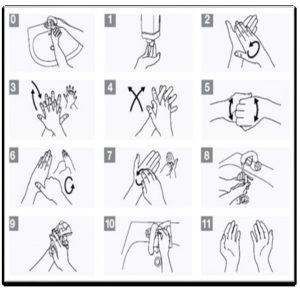
How to Wash Your Hands Properly
Follow these steps for effective handwashing:
- Wet Your Hands: Use clean, running water to wet your hands.
- Apply Soap: Dispense liquid soap onto your hands.
- Scrub Thoroughly: Rub your hands together for at least 10 seconds, paying special attention to thumbs, fingertips, wrists, and the spaces between fingers.
- Rinse: Wash away the soap under running water.
- Dry: Use a disposable paper towel to dry your hands and wrists.
- Turn Off Taps Safely: Use a paper towel or your elbow to shut off the faucet if it isn’t touch-free.
Product Examples: Dettol Wash Gel, Kruidvat Hand Gel, Direct disinfectant Herome
When to Disinfect Hands:
After washing and drying your hands, you may choose to apply a hand sanitiser, especially if there’s a higher risk of STI transmission (e.g., blood contact or sex with multiple partners). Use only Ctgb-approved disinfectants. Do not use disinfectant sanitiser if hands are visibly dirty.
Why It Matters
Maintaining good hand hygiene isn’t just about personal health; it’s about safeguarding those around you. By following these steps, you minimize the risk of spreading infections in your workplace and beyond. Stay vigilant and make hand hygiene a priority!
Body Hygiene
Additional Details
Body Hygiene – Essential Standards for Escorts to Maintain Health and Safety
Maintaining excellent body hygiene is a cornerstone of personal and client safety in the escort profession. Proper hygiene practices reduce the risk of transmitting sexually transmitted infections (STIs) and ensure a comfortable, professional experience for both parties. Below are key hygiene tips and advice tailored for escorts, designed to uphold cleanliness and minimize health risks.
Hygiene Standards to Prevent STIs
STIs can spread through body fluids such as semen, vaginal fluid, blood, and mucous membranes. These fluids can linger on the skin, hands, or other surfaces, including towels, mattresses, and used lubricants. To minimize exposure:
- Daily Hygiene: Shower daily and wash your lower body with water after vaginal or anal sex. Avoid using soap internally, as it can irritate sensitive areas.
- Condom Incidents: If a condom breaks or slips, do not rinse the inside of your vagina or anus, as this can push fluids deeper into your body. Instead, urinate and gently clean the external area with water. Contact a GP or STI clinic for follow-up care.
- Linens and Towels: Always make sure that there are clean linens and towels at the meeting point. Dirty towels or linens should be changed and sent straight to the laundry. When you are in a hotel, there are always unused ones available in the wardrobe. If they are not available, you can call the reception and request new ones.
Practical Hygiene Advice
- Client Preparation: Encourage clients to shower or clean themselves before intimate activities or a massage. Make sure that sponges, and other personal cleaning materials are not shared.
- Protecting Skin: Frequent showers can dry out the skin. Use moisturizing products to maintain healthy skin, especially after frequent washing.
- Work Environment: Only accept appointments in clean locations where access fresh linens and towels. If these standards cannot be met, it is safer to decline the appointment.
By prioritizing body hygiene, escorts not only protect their health but also uphold a high standard of professionalism and care, fostering trust and comfort with clients.
Sex toys hygiene
Additional DetailsKeeping sex toys clean and safe is crucial for preventing the spread of sexually transmitted infections (STIs) and ensuring a pleasurable, worry-free experience. Proper hygiene is not just about cleanliness; it’s about safeguarding yourself and others from potential health risks.
Why Hygiene Matters
STIs can survive outside the body when present in bodily fluids, lubricants, or massage oils. Contaminated toys or surfaces can transmit infections if these fluids come into contact with the mouth, vagina, anus, or open wounds. This includes not only sex toys (like vibrators and dildos) but also BDSM equipment, speculums, and even surfaces like mattresses.
Best Practices for Sex Toy Hygiene
- Clean and Disinfect:
- Wash toys immediately after use with warm water & mild soap and make it dry.
- Then spray the disinfectant (Alcohol Podior 80%) on the toy (until soaking wet!) and let the disinfectant dry in the air.
- Use Condoms on Toys:
- For porous toys or those with difficult-to-clean textures, cover them with a condom.
- Replace the condom for each use or partner.
- Opt for Disposable Materials:
- Use single-use items. Dispose of these immediately after use with one partner. Disposable razors, disposable speculums and disposable douching equipment are all available.
- Storage and Maintenance:
- Store toys in individual pouches to avoid contact with dirt or other toys.
- Ensure toys are completely dry before storing to prevent bacterial growth.
Professional Hygiene Standards
- Always separate clean items from used ones.
- Disinfect all surfaces that have come into contact with body fluids.
- Regularly inspect toys for damage or wear, as cracks can harbor bacteria.
Additional Tips
- Use toys made of non-porous materials such as glass or stainless steel for easier cleaning.
- Do not share sex toys with the client. This means, do not both use the same toy – this is strongly discouraged.
- Only use your own sex toys. Make sure they are cleaned and disinfected before use. Do not use any sex toys that the client brings – this is not recommended. If you do use the client’s sex toys, clean and disinfect the sex toy before use. Wear disposable gloves when you clean the toy.
Prioritizing hygiene ensures safety and enhances your peace of mind, making intimacy as enjoyable as it should be.
Vaginal hygiene
Additional DetailsMaintaining good vaginal hygiene is essential for overall health and well-being. While sexually transmitted infections (STIs) are often associated with vaginal discomfort, the most common causes are poor hygiene practices and conditions such as fungal infections (e.g., Candida) or bacterial vaginosis. These issues can arise when the vagina’s natural protective barriers are compromised due to hormonal changes, medication (like antibiotics), or sexual activity.
The vaginal wall is naturally elastic and lined with a protective mucous membrane that helps guard against harmful bacteria and viruses. Proper care ensures that these defenses remain intact, promoting a healthy and comfortable vaginal environment. Here are key tips for maintaining optimal vaginal hygiene:
- Wash with Care
Use lukewarm water to clean your vulva and vagina. Avoid douching or rinsing the vagina internally with water or shower hoses, as this can disrupt its delicate balance. - Skip Harsh Soaps
Vaginal cleansing products marketed for intimate care often disrupt the natural pH, potentially exacerbating issues. If you prefer using such products, limit their use to once a week and choose gentle formulations like Lactacyd sparingly. - Dry Gently
Pat dry your vaginal area with a clean towel to prevent irritation. Replace towels regularly to maintain hygiene. - Change Menstrual Products Often
Replace tampons, pads, sponges, or menstrual cups every 4 hours. Avoid using panty liners or tampons when not menstruating to allow airflow. - Choose Breathable Fabrics
Opt for cotton underwear, as synthetic materials can trap moisture and restrict airflow, increasing the risk of irritation or infections. - Practice Safe Sex
Condoms provide effective protection against STIs and help maintain vaginal health. - Know Your Body
Regularly check yourself for changes by observing or feeling the area. Early detection of abnormalities is key to addressing potential issues.
By following these simple yet effective practices, you can support your vaginal health, prevent common problems, and feel your best. If you notice persistent discomfort, consult a healthcare professional for personalized advice.
Anus Hygiene
Additional DetailsMaintaining proper anal hygiene is essential for comfort, health, and confidence, especially for individuals engaging in anal sex. Encountering stool stains during anal intercourse is natural; however, certain practices can minimize this and ensure cleanliness.
Anal Rinsing – A Common Practice
Anal rinsing is a method used to cleanse the anus and lower rectum, removing any residue or odor. Tools like enemas or rinsing rods, often available at adult stores, are commonly used for this purpose. While effective, it’s important to understand the potential downsides. Overuse or improper technique can disrupt the natural bacterial balance in the bowel, lead to small wounds, or increase susceptibility to sexually transmitted infections (STIs).
When to Skip Rinsing:
- If you’ve already had a bowel movement and feel empty.
- When engaging in sex with an average-sized partner, as they are less likely to reach stool in the bowel.
- If you regularly maintain bowel health and cleanliness.
How to Rinse Safely
- Choose the Right Tools: Use a rinsing rod or hand pump designed for anal hygiene, paired with lukewarm water only. Avoid soaps, chemicals, or other substances that may irritate the bowel.
- Prepare and Lubricate: Apply a water-based or silicone lubricant to the anus and the equipment for easier insertion.
- Use Gentle Pressure: High water pressure can damage the delicate tissue in the bowel. Let water flow gently until the bowel feels full.
- Flush and Relax: Allow the water to exit naturally on the toilet. Repeat until the water runs clear.
- Wait Before Engaging in Sex: Ensure no residual water remains by sitting on the toilet again 30 minutes later.
Cleaning Your Equipment
Proper disinfection of rinsing gear is crucial. Soak items in a bleach solution for five minutes, rinse thoroughly, or boil metal tools for five minutes to ensure they are free of harmful bacteria or viruses.
Risks and Limitations
While rinsing improves cleanliness, it doesn’t prevent STIs. Over-flushing may remove beneficial bacteria, leading to intestinal discomfort. Avoid frequent or deep rinsing to reduce these risks. Remember, do not rinse immediately after sex, especially if semen is present, as this may increase STI risks.
Everyday Care Tips for Anal Health
- Use Proper Toileting Techniques: A squatty potty can aid in bowel movements, reducing strain on the anal muscles.
- Eat Fiber-Rich Foods: Promote softer stools to reduce irritation and minimize the need for excessive wiping.
- Gentle Cleaning: Pat the area clean with soft toilet paper or wet wipes; avoid harsh scrubbing.
- Regular Self-Checks: Use a mirror to monitor the anal area for any signs of irritation or injury.
By following these guidelines, you can ensure o
Hygiene and sex during menstruation
Additional DetailsAs an independent escort, it is a personal decision whether you want to continue working during your period. Some may prefer taking a break due to discomfort from heavier flow or cramps, especially on the second day. Others may choose to continue working with proper preparations. Here’s a comprehensive guide on hygiene and care during menstruation for escorts.
Continuing Work During Menstruation
For those who wish to work through their period, menstrual sponges can help. These specialized sponges absorb menstrual blood and are discreet during intimate activities. Here’s how to use them safely:
- Single Use Only: Menstrual sponges are disposable. Avoid rinsing and reusing them.
- Time Limit: Do not leave a sponge in for more than 4 hours.
- Safe Choices: Always purchase sponges from a chemist or drugstore—never use household sponges.
- Additional Protection: Use condoms alongside sponges for STI and pregnancy prevention.
- Ease of Use: Moisten dry sponges with warm water before insertion, and follow the instructions provided.
- Troubleshooting Removal: If removing a sponge is challenging, direct a showerhead towards the vagina to help saturate and ease it out. For persistent issues, seek medical help promptly.
Menstrual Hygiene Tips
Maintaining hygiene during menstruation is crucial for comfort and health:
- Choose the Right Product: From tampons and pads to menstrual cups and period underwear, select what suits you best. Change them regularly—tampons every 4-8 hours, pads every few hours, and clean cups daily.
- Cleanliness: Wash your hands before and after handling menstrual products. For the vulva, rinse with water only; avoid scented products or harsh chemicals.
- Proper Disposal: Wrap used pads or tampons and discard them in a trash bin. Never flush them down the toilet.
- Wear Breathable Clothing: Cotton underwear and lightweight fabrics help prevent bacterial growth.
- Hydration and Tracking: Drink enough water to support overall health, and monitor your menstrual cycle to spot irregularities early.
Your Health Comes First
Healthy habits during menstruation aren’t just about hygiene; they also support your overall well-being:
- Regular wellness checks, including pelvic exams, can catch potential health issues early.
- Irregular periods may signal underlying health concerns. Use a period-tracking app to stay informed.
By prioritizing your health and hygiene, you can manage menstruation confidently while working.
Prostitution and exploitation – Our Stance
Our stance on prostitution and exploitation
Additional DetailsWe operate as a fully legal agency in strict compliance with Dutch laws. Every companion undergoes a rigorous selection process to meet our uncompromising standards. We exclusively collaborate with independent escorts who have made a voluntary and informed choice to engage in the profession of sex work. Our philosophy and policies categorically reject any form of coercion, pressure, or exploitation within the industry.
We maintain a zero-tolerance stance on misconduct. Should we identify any signs of coercion or mistreatment, we act without delay by alerting the relevant authorities. We also encourage clients, drivers, and escorts to support our mission of cultivating a safe, ethical, and respectful environment for all.
If you suspect any instance of forced or exploitative practices, we urge you to report it immediately to us and local law enforcement.
Your safety and trust are at the core of our values. By working together, we can uphold transparency, respect, and integrity within this profession.
For further information, please explore the resources provided below.
Human Trafficking
Additional DetailsUnderstanding Human Trafficking
Human trafficking is a grave violation of human rights that encompasses the recruitment, transportation, and exploitation of individuals through coercion or deception. Forms of human trafficking include:
- Labor Exploitation: Victims are forced to surrender income or work in degrading conditions.
- Sexual Exploitation: Individuals are compelled into sexual activities, often turning over earnings to exploiters.
- Criminal Exploitation: Traffickers force victims to engage in illegal activities such as theft or begging, benefiting financially.
- Organ Trafficking: Organs are forcibly removed and sold.
Raising awareness of these practices is the first step toward eradication.
Collaboration to End Human Trafficking
Victims often face manipulation, fear, or threats, which prevent them from seeking help. A multifaceted approach is crucial, involving government agencies, law enforcement, and non-profits. The program Together Against Human Trafficking exemplifies this by fostering collaboration to reduce exploitation.
Municipal staff, inspectors, and other frontline workers play a key role in identifying potential victims. Recognizing human trafficking often requires piecing together subtle signs. Training resources like the Human Trafficking Academy and guidance from the Centre for Crime Prevention and Safety (CCV) empower professionals to intervene effectively.
Supporting Victims of Trafficking
The government prioritizes victim support through measures like the National Referral Site for Human Trafficking, which outlines victim rights, recognition tips, and available assistance. Key organizations such as CoMensha and the Netherlands Labour Authority work tirelessly to provide aid.
Tracking and Reporting
The National Rapporteur on Trafficking in Human Beings and Sexual Violence against Children analyzes data to shape national policy. Their reports highlight trends, recommend improvements, and foster international cooperation.
By uniting efforts across sectors, we can identify victims, hold traffickers accountable, and pave the way toward a world free of human trafficking.
Prostitution and Exploitation
Additional DetailsProstitution and Exploitation: Know Your Rights and Seek Help
Are You or Someone You Know Being Exploited?
Prostitution can often intersect with exploitation, especially when individuals are coerced or manipulated into the profession against their will. Recognizing the signs of exploitation is critical for safeguarding personal rights and dignity. If you or someone you know is working as a prostitute, these situations might indicate exploitation:
- Being forced to work under false pretenses or in conditions contrary to prior agreements.
- Engaging in prostitution under the age of 18.
- Facing threats, blackmail, or coercion from employers, “lover boys,” or others who arranged the work.
- Working without control over personal documents or freedom of movement.
- Being compelled to work while unwell, perform unsafe or unwanted acts, or hand over earnings to another person.
- Having no autonomy over living arrangements, working hours, or financial decisions.
What Can You Do?
If you believe you or someone you know is a victim of exploitation, immediate action is essential. The Netherlands offers a robust support system for victims, including access to independent organizations like the Human Trafficking Coordination Centre (CoMensha).
Contact CoMensha for confidential support:
- Email: info@comensha.nl
- Phone: 033 448 11 86 (Mon-Fri, 09:00–17:00).
- Multilingual assistance is available in Dutch and English.
Additionally, you can contact the Dutch police at 0900-8844 for assistance or to file a complaint. Victims’ rights include protection, temporary residence permits, medical help, and access to shelter.
Know Your Rights as a Victim
Victims of human trafficking and exploitation are entitled to:
- A three-month period to decide whether to file a complaint without fear of deportation.
- Temporary residence permits to support prosecution efforts.
- Housing, medical care, and work opportunities during legal residence in the Netherlands.
Help Is Available
Visit prostitutiegoedgeregeld.nl or contact the Inspectorate of the Ministry of Social Affairs and Employment at 0800-5151 for more information about your rights and working conditions.
Empower yourself or someone you know by seeking help. No one should endure exploitation or abuse.
Sexual Assault Center
Additional DetailsThe Sexual Assault Center
If you have been recently sexually assaulted or subjected to online sexual violence, know that you are not alone. The Sexual Assault Center (SAC) is here to offer you the support, guidance, and care you need, day or night. You can reach out to their confidential, 24/7 helpline at 0800-0188 to connect with a center near you. It’s crucial to seek help promptly so the team can provide the best possible assistance.
Comprehensive Care Tailored for You
The Sexual Assault Center brings together a multidisciplinary team of experts, including doctors, nurses, police officers, psychologists, social workers, and sex therapists. This collaborative approach ensures victims receive medical, psychological, and legal support all in one place. Ideally, they recommend seeking help within seven days of the incident to maximize the benefits of medical care and forensic investigation. However, no matter when the assault occurred, the SAC is committed to supporting you.
When you arrive, a dedicated forensic nurse will guide you through the process, ensuring you feel as comfortable as possible. Whether or not you wish to involve the police, all conversations and services are treated with strict confidentiality.
Immediate and Ongoing Support
Victims can receive:
- Medical assistance: Treatment for injuries, emergency contraception, and medication to prevent sexually transmitted infections (STIs).
- Forensic examinations: If desired, evidence collection is conducted discreetly to support potential legal actions.
- Case management: A dedicated support person will follow up to monitor your well-being, help manage trauma symptoms, and coordinate additional care if needed.
Available to All
The SAC provides care to anyone—regardless of gender, age, nationality, or residency status. They offer a safe space for all victims, including tourists and undocumented migrants, to seek help.
Contact and Availability
Helpline: 0800-0188 (free and anonymous)
Website: Centrum Seksueel Geweld
24/7 Support: For incidents within the past seven days.
Weekday Hours: Monday-Friday, 9:00 AM-5:00 PM, for other inquiries or incidents beyond seven days.
Your safety, well-being, and recovery are SAC’s top priorities. Don’t hesitate to reach out—they are here for you, always.
Important Contacts and Care Providers
Care Providers Organisations
Additional DetailsAs a professional sex worker, it is essential to have access to reliable, appropriate, and immediate support services. The following list includes key organizations, institutions, and resources in the Amsterdam region that offer assistance in areas such as healthcare, legal support, safety, and social services. Some of these organizations operate from a religious or ideological perspective. We advise reviewing the nature and mission of each before engaging their services to determine whether their approach aligns with your personal and professional values.
Core Administrative Services
Chamber of Commerce (KvK)
Registration is by appointment only.
Website: www.kvk.nl
Telephone: 088 585 15 85
Email: info@amsterdam.kvk.nl
Address: De Ruyterkade 5, Amsterdam
Tax & Customs Administration (Belastingdienst)
For assistance with income tax, allowances, and payments.
Website: www.belastingdienst.nl
Telephone: 0800 0543
Municipality of Amsterdam
For questions relating to municipal services or local prostitution policies.
Website: www.amsterdam.nl
Telephone: 14020
Law Enforcement and Emergency Services
In case of immediate danger:
Call emergency services: 112
For non-urgent police matters:
Telephone: 0900 8844
Human Trafficking (Amsterdam Region)
Police Human Trafficking Team
Telephone: 088 169 3396
Anonymous Reporting (Meld Misdaad Anoniem)
Telephone: 0800 7000
Website: www.meldmisdaadanoniem.nl
Healthcare and Medical Assistance
GGD Amsterdam (Public Health Services): 020 555 5911
Bezoekadres: Nieuwe Achtergracht 100, 1018 WT Amsterdam
Postadres: 2200, 1000 CE Amsterdam
Amsterdam Center for Sexworkers (ACS)
Provides confidential support including sexual health services, social work consultations, and educational programs.
Website: amsterdamcenterforsexworkers.nl
General Inquiries: 020 531 8600
Address: Nieuwezijds Voorburgwal 292, Amsterdam
Services include:
- STD/HIV testing and treatment
- Hepatitis vaccinations
- Contraceptive consultations and prescriptions
- Referrals for social services, housing, and debt assistance
- Dutch and English language courses, digital literacy training, self-defense
- Support for male and transgender sex workers
Emergency doctor’s office: 08800 30 600
Area Hospitals:
OLVG / West / Jan Tooropstraat 164 / 1061 AE Amsterdam / 020 510 89 11
OLVG / Centrum / Spuistraat 239a / 1012 VP Amsterdam / 020 599 91 11
OLVG / Oost / Oosterpark 9 / 1091 AC Amsterdam / 020 599 91 11
Kruispost (Medical Services for Uninsured Individuals)
Medical care including general practitioners, dental and physiotherapy services.
Website: oudezijds100.nl/kruispost
Telephone: 020 624 9031
Email: kruispost@oudezijds100.nl
Address: Oudezijds Voorburgwal 129, Amsterdam
Housing and Shelter Services
Municipality of Amsterdam – Homeless Services
For information and support with temporary shelter or housing issues.
Website: www.amsterdam.nl
Walk-in address: Jan van Galenstraat 323, Entrance B, 1056 CH Amsterdam
Legal Support and Advocacy
Stichting Geisha (Sex Worker Advocacy Organization)
Focused on legal support, advocacy, and rights within the sex work profession.
Website: www.stichting-geisha.nl
Telephone: 06 293 08 241
Support for Transgender Persons
T-House
Community drop-in center for transgender individuals offering food, activities, showers, and a safe social space.
Website: transhuis.nl
Walk-in hours: Tuesdays and Thursdays, 10:00–15:00
Faith-Based and Psycho-Social Services
Scharlaken Koord (Christian Social Support Organization)
Provides support related to trafficking, exiting prostitution, and daytime activities.
Website: www.scharlakenkoord.nl
Telephone: 020 622 6897
Email: info@scharlakenkoord.nl
Address: Barndesteeg 25, Amsterdam
Vrouwenpastoraat – Leger des Heils (Women’s Pastoral Care)
Offers informal counseling and referrals.
Telephone: 020 520 8408
Address: Oudezijds Voorburgwal 14, Amsterdam
Home (Not for Sale)
Provides healthy meals and outreach services.
Telephone: 06 381 59 618
Confidential Counseling and Reporting Abuse
Confidential Female Counselor (Vertrouwensvrouw)
Available for personal or work-related concerns including exploitation, poor working conditions, or guidance with official reporting.
Telephone: 06 520 32 500
Email: vertrouwensvrouw@pg292.nl
Youth Protection and Human Trafficking Refuge
Qpido (For Individuals Under 23)
Support and protection for victims of loverboys.
Website: www.qpido.nl
Telephone: 06 293 38 064
Email: info@qpido.nl
Amsterdams Coördinatiepunt Mensenhandel (ACM)
Refuge and support for victims of human trafficking.
Telephone: 020 626 3800
Email: acm@hvoquerido.nl
Address: Roggeveenstraat 8, Amsterdam
Safety and Workplace Support
Working in the sex industry can expose individuals to high-risk situations. Courses in resilience, safety, and self-defense are available via the Amsterdam Center for Sexworkers. During work, you may be approached by enforcement officers responsible for health and safety compliance. They may request identification or ask about working conditions.
If you encounter unsafe practices, including unclean premises, lack of receipts, or coercion, report such instances to:
Confidential Counselor
Telephone: 06 520 32 500
Email: vertrouwensvrouw@pg292.nl
Websites:
www.mantotman.nl MAN to MAN is a website for information on STD and AIDS fort he Netherlands, GGD Amsterdam and GGD Rotterdam-Rijnmond
www.prostitutie.nl STD AIDS Amsterdam
www.soaaids.nl Expertise Center for HIV/AIDS ond other STDs
www.arboportaal.nl Information on user working conditions
www.ehbo.nl The Red Cross
www.meldmisdaadanoniem.nl To report any criminal complaint and remain anonymous
Sounding Board Group – Amsterdam Center for Sexworkers
ACS regularly hosts anonymous focus groups to gather feedback from sex workers of all genders. Participants receive a stipend and multilingual support is available.
For participation, contact:
Confidential Counselor – Heleen Driessen
Telephone: 06 2247 9750
Website: amsterdamcenterforsexworkers.nl
For the latest updates and additional support, always refer to the official website of the Amsterdam Center for Sexworkers or your designated contact person within our agency.